
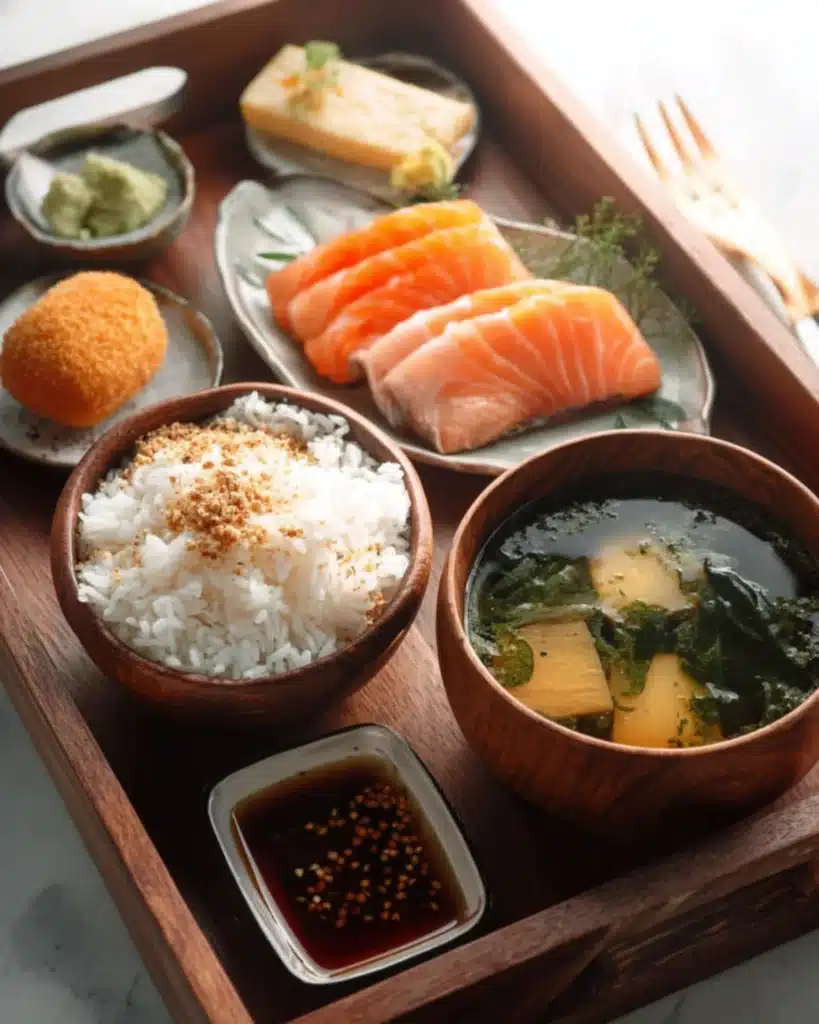
Few dishes bring comfort quite like a warm bowl of Miso Soup. Its savory aroma, soothing taste, and subtle complexity make it a staple of Japanese cuisine and a favorite worldwide. Learning how to make miso soup from scratch isn’t just about mastering a recipe it’s about embracing a tradition that nourishes both body and soul. Whether you’re a busy parent, a student, or someone looking for wholesome dinner ideas, this guide walks you through every detail with ease.
Jump To :
What Is Miso Soup and Why It’s So Loved
At its core, Miso Soup is a simple yet flavorful traditional Japanese soup made with a dashi base, miso paste, tofu, and seaweed. Because it’s light yet deeply satisfying, it’s often served as part of a complete Japanese meal. In Japan, families enjoy it daily especially during cold weather because the warmth of the broth and the earthy, fermented aroma of miso create an instant feeling of comfort. Moreover, miso soup is packed with nutrients, making it a favorite for diet-conscious individuals and those seeking healthy Japanese soups.
Understanding the Magic of Miso Paste
To truly know how to make miso soup, you need to understand miso itself. Miso paste is a fermented blend of soybeans, salt, and koji (a rice culture). Because it’s fermented, it’s rich in probiotics and essential nutrients. The longer it ferments, the stronger its flavor becomes.
There are three main types:
- White miso (Shiro miso): Mild and slightly sweet; perfect for miso soup for beginners.
- Yellow miso (Shinshu miso): Balanced and versatile, ideal for everyday cooking.
- Red miso (Aka miso): Deep and bold, great for robust flavors.
Therefore, choosing the right miso depends on your taste preference. For most home cooks, a blend of white and yellow miso gives a pleasant balance of sweetness and umami.
Essential Ingredients
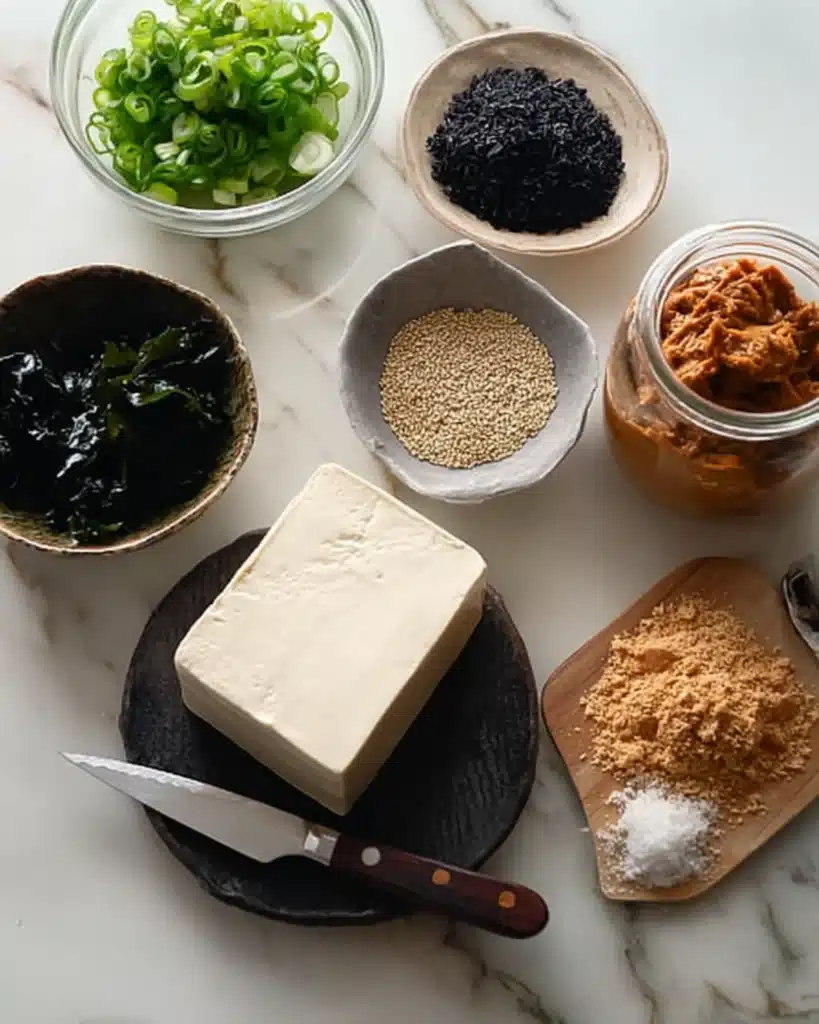
To make the best homemade miso soup, gather these fresh ingredients. Each plays a crucial role in building authentic flavor and texture.
- 4 cups of water
- 2 teaspoons dashi granules (or homemade broth)
- 3 tablespoons miso paste (white or yellow recommended)
- ½ cup silken tofu, cubed
- 2 tablespoons dried wakame seaweed
- 2 tablespoons chopped scallions
Because miso soup is customizable, you can adjust ingredients easily. For a vegan miso soup, use kombu (seaweed) broth instead of fish-based dashi. To make it low sodium, reduce the amount of miso paste slightly without losing much flavor.
Step-by-Step: How to Make Miso Soup
Once you’ve prepared your ingredients, the cooking process is quick. Let’s go step by step so your Miso Soup turns out perfect every time.
- Prepare the seaweed. Place dried wakame in a bowl and cover it with warm water for 5 minutes. It will expand, so a small amount goes a long way. Then, drain it and set aside.
- Heat the dashi broth. In a medium pot, bring 4 cups of water to a gentle simmer. Add instant dashi granules or your homemade dashi. Stir until fully dissolved. Avoid boiling too vigorously because it can cloud the broth.
- Add tofu and seaweed. Gently place cubed silken tofu and the rehydrated wakame into the hot broth. Allow them to heat through for about 2 minutes. Because tofu is delicate, stir gently to avoid breaking it apart.
- Dissolve the miso paste. In a small bowl, ladle a bit of hot broth and whisk in the miso paste until smooth. Then, slowly stir this mixture back into the pot. This method ensures you properly dissolve miso paste and preserve its nutrients.
- Finish with scallions. Turn off the heat and stir in chopped scallions. The residual heat will slightly soften them while keeping their color bright and flavor fresh.
Finally, serve immediately. The soup should be warm not boiling to maintain its probiotic goodness and silky texture.
Miso Soup Cooking Tips
Because every detail affects flavor, here are a few essential cooking tips to ensure your results taste authentic every time.
- Never boil miso paste. Boiling destroys the beneficial probiotics and alters the delicate umami taste.
- Use gentle heat. Keep your soup just below a simmer after adding miso.
- Experiment with toppings. You can add mushrooms, green onions, or noodles for variety.
- Taste and adjust. Miso paste brands vary in saltiness, so start small and add more as needed.
If you enjoy experimenting, check out this one pot creamy vegetable soup for another cozy idea.

Flavor Variations and Add-Ins
Because Miso Soup is so versatile, you can tailor it to your mood or the season. Try adding:
- Sliced mushrooms for a deeper umami flavor.
- Spinach or bok choy for a healthy green boost.
- A handful of rice for a heartier, comforting bowl.
- Corn or carrots for color and sweetness.
For an autumn twist, enjoy a seasonal flavor like this butternut squash gnocchi soup. Both soups share that same cozy, nourishing quality.
Serving and Pairing Ideas
Miso soup is a wonderful Japanese side dish but also works as a light dinner. It pairs beautifully with rice bowls, sushi, or grilled fish. Because it’s subtle, it complements bold or spicy dishes without overpowering them.
If you want a more filling option, pair your soup with this wholesome roasted winter vegetable soup.
Storage and Reheating Tips
You can store Miso Soup easily for later. Because the flavors develop over time, it even tastes richer the next day.
- Refrigerate: Store in an airtight container for up to 3 days.
- Freeze: Freeze broth separately from tofu and seaweed to preserve texture.
- Reheat gently: Warm on low heat and avoid boiling to retain nutrients.
If you need another comforting option, try this nourishing turkey soup recipe for leftovers or a cold day.
Health Benefits
Miso soup isn’t just delicious it’s incredibly healthy. Because miso is fermented, it’s full of probiotics that support digestion. Additionally, it provides essential minerals, amino acids, and antioxidants. It’s low in calories yet high in flavor, making it a perfect choice for anyone watching their diet.
For another soothing and nutritious option, discover how to make a cozy bowl of chicken and rice soup at Daily Tasty Recipe.

FAQs About Making Miso Soup
White or yellow miso is best for mild flavor. Red miso provides stronger taste for those who like bold umami.
Yes! You can use vegetable broth for a vegan version. However, dashi adds authentic depth and aroma.
Simply rehydrate dried wakame, add silken tofu cubes, and follow the same steps.
Most miso is gluten-free, but always check labels to be sure.
Up to three days if stored properly in a sealed container.
Conclusion
Learning how to make miso soup is more than following a recipe it’s embracing a centuries-old comfort food that connects flavor, tradition, and nourishment. With its earthy aroma, silky tofu, and warm broth, this soup turns any dinner into a peaceful moment of comfort.
Whether you’re a busy parent, a student grabbing dinner on the go, or anyone hungry for something wholesome and delicious, this recipe fits the bill. Don’t forget to leave a comment or tag us with your cooking success! Follow Daily Tasty Recipe on Pinterest and Instagram for more inspiration.

Miso Soup Recipe
- Total Time: 20 minutes
- Yield: 4 servings 1x
Description
Few dishes bring comfort quite like a warm bowl of Miso Soup. Its savory aroma, soothing taste, and subtle complexity make it a staple of Japanese cuisine and a favorite worldwide. This classic Japanese soup combines a delicate dashi broth with miso paste, tofu, and seaweed for a nourishing and satisfying experience that’s perfect for any day.
Ingredients
- 4 cups water
- 2 teaspoons dashi granules (or homemade broth)
- 3 tablespoons miso paste (white or yellow recommended)
- ½ cup silken tofu, cubed
- 2 tablespoons dried wakame seaweed
- 2 tablespoons chopped scallions
Instructions
- Place dried wakame in a bowl and cover with warm water for 5 minutes. Drain and set aside.
- In a medium pot, bring 4 cups of water to a gentle simmer. Add dashi granules or homemade dashi and stir until dissolved.
- Add cubed tofu and rehydrated wakame to the broth and heat through for 2 minutes.
- In a small bowl, whisk miso paste with a ladle of hot broth until smooth. Stir this mixture back into the pot gently.
- Turn off the heat and stir in chopped scallions. Serve warm immediately and enjoy.
Notes
Never boil miso paste as it destroys probiotics. For vegan miso soup, use kombu broth instead of fish-based dashi. Adjust miso amount based on salt preference. Add mushrooms, spinach, or noodles for variety.
- Prep Time: 10 minutes
- Cook Time: 10 minutes
- Category: Dinner
- Method: Simmered
- Cuisine: Japanese
Nutrition
- Serving Size: 1 bowl
- Calories: 80
- Sugar: 1g
- Sodium: 550mg
- Fat: 3g
- Saturated Fat: 0.5g
- Unsaturated Fat: 2.5g
- Trans Fat: 0g
- Carbohydrates: 8g
- Fiber: 1g
- Protein: 6g
- Cholesterol: 0mg