
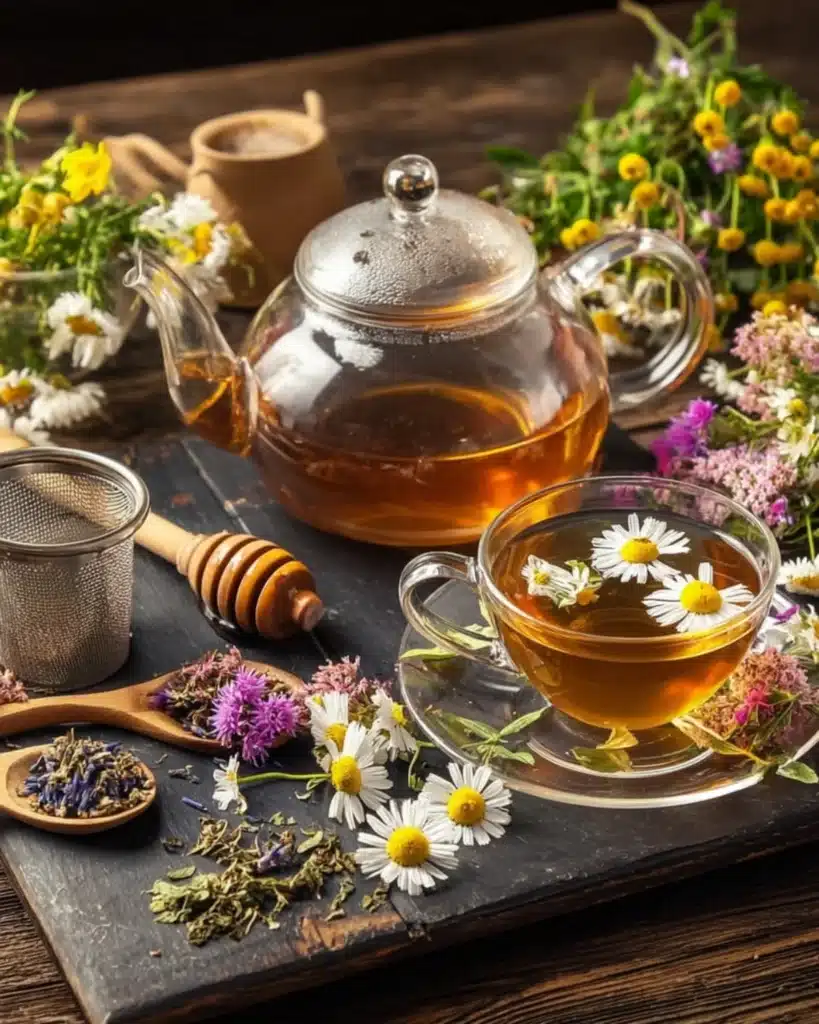
Discover the Art of Crafting Wellness in a Cup
There is something calming about the smell of herbal tea. When hot water touches fragrant leaves, it becomes a simple act of care. Herbal teas, or tisanes, are caffeine-free drinks made from herbs, flowers, and roots. They have been loved for centuries for their natural healing powers. Whether you’re brewing for rest, digestion, or focus, creating your own herbal tea blends lets you control both flavor and health benefits. As a result, your daily cup becomes a pleasure and a healthy ritual. Also, learning how herbs work together can make every brew even more enjoyable.
Jump To :
- Why Make Your Own Herbal Tea
- Understanding Herbal Tea Blending
- Tools Needed
- Ingredients for Basic Herbal Tea Blends
- Herbal Tea Blending Formula: From Farm to Jar
- Step-by-Step Instructions
- Flavor Profiles for Herbal Tea
- Benefits of Herbal Tea
- Herbal Tea Recipes for Every Mood
- Herbal Tea and Weight Loss Connection
- Tips for Storing and Enjoying Homemade Herbal Teas
- Herbal Tea and Detoxification
- Herbal Tea for Stress Relief
- Herbal Tea and Immunity
- Herbal Tea for Digestion
- Herbal Tea and Hydration
- Herbal Remedies and Blends with Chamomile and Ginger
- Green Tea and Herbal Wellness
- Chamomile and Sleep Support
- FAQs About Herbal Tea Recipe
- Conclusion
Why Make Your Own Herbal Tea
When you make your own herbal tea, you choose freshness, quality, and creativity. Store-bought teas often contain additives and lack the smell of home-blended herbs. Because you control every ingredient, you can pick natural herbs and adjust flavors to your liking. In addition, the process itself is calming because it slows you down, connects you with nature, and supports mindful living. Homemade blends can also be made for special goals like stress relief, detox, or better sleep. For example, you might mix chamomile with lemon balm for rest or ginger with peppermint for digestion. Also, crafting your own blends encourages sustainability and cuts down on waste. To learn more about tea benefits, read Chamomile tea benefits for better sleep and calm.
Understanding Herbal Tea Blending
Blending herbal tea is both an art and a science. It’s about finding balance between taste, smell, and purpose. Because each herb has its own traits, mixing them in good amounts makes a pleasant drink. Therefore, it’s helpful to sort herbs into flavor types like floral, citrus, minty, or spicy and pair them by the effect you want. Also, blending lets you hide stronger herbs with sweeter ones, making teas that taste great and feel good. As a result, you’ll find mixes that match your mood or health goals.
This post may contain affiliate links. As an Amazon Associate, Daily Tasty Recipe earns from qualifying purchases at no extra cost to you.
Tools Needed
Before you start blending, make sure you have the right tools. These help make your process smooth, safe, and fun. Also, using the proper tools keeps your herbs clean and fresh.
- Glass jars with tight lids for storage
- A clean spoon for measuring herbs
- A small digital scale (optional but helpful)
- A fine mesh tea strainer or reusable tea infuser
- A electric kettle or pot for boiling water
- Labels for jars to note ingredients and dates
Because freshness is key, always store your herbs in tight containers away from light and heat. This way, your blends will keep flavor and strength for longer.
Ingredients for Basic Herbal Tea Blends
Here are some common herbs and spices to start with. You can change them to suit your needs or taste.
- Chamomile flowers (for relaxation)
- Peppermint leaves (for digestion)
- Ginger root (for warmth and energy)
- Lemon balm (for calm and sleep)
- Tulsi or holy basil (for immune support)
- Cinnamon sticks (for taste and circulation)
- Hibiscus petals (for detox and a tart flavor)
- Rose petals (for smell and mood)
- Fennel seeds (for digestion and sweetness)
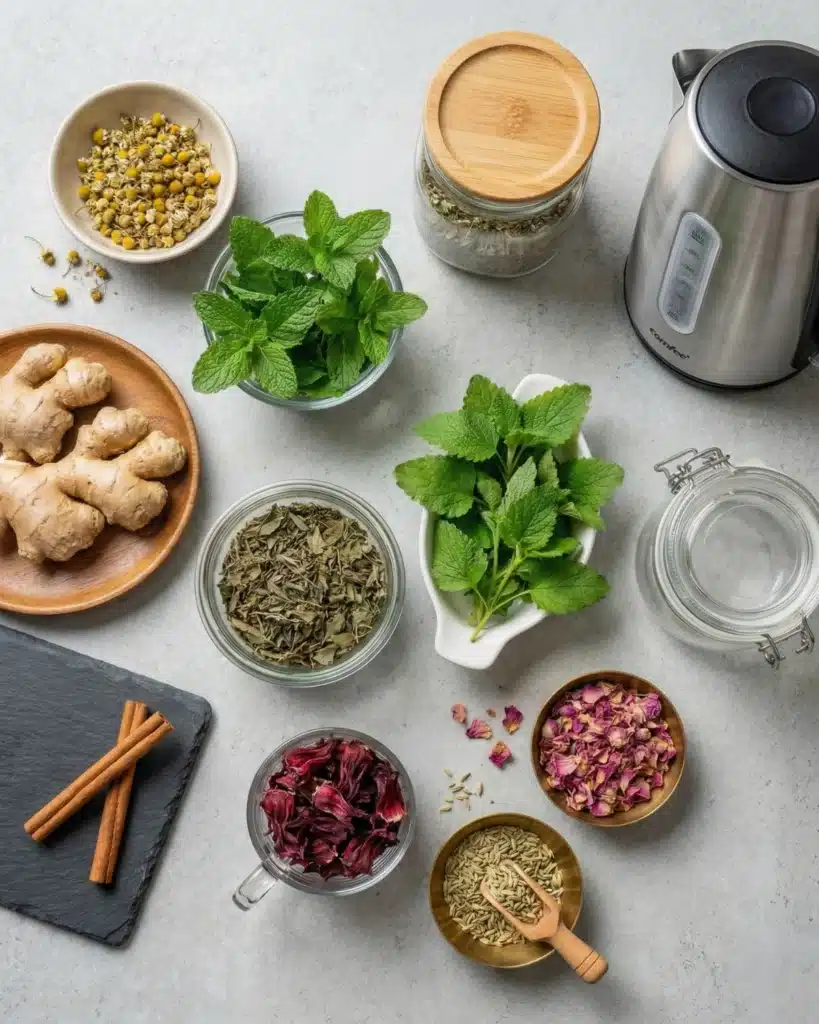
You can find these dried or grow them at home. Because herbs vary in strength, start with small batches and adjust over time. Also, write down your recipes for future use.
Herbal Tea Blending Formula: From Farm to Jar
A simple 3-part formula keeps your blends balanced.
- Base (50%) – mild herbs like chamomile, lemon balm, or rooibos.
- Star (30%) – stronger herbs such as ginger, tulsi, or hibiscus.
- Accent (20%) – spices or citrus like cinnamon, cardamom, or orange peel.
Because this formula adds structure, it prevents strong tastes and makes every sip feel balanced. For example, a digestive blend might include peppermint as the base, ginger as the star, and fennel as the accent. Also, using seasonal herbs can make your blend special. Read Ginger tea benefits for wellness and digestion for ideas.
Step-by-Step Instructions
- Choose Your Herbs: Pick 3 to 4 herbs for your purpose. For rest, try chamomile, lemon balm, and rose.
- Measure: Use the 50-30-20 ratio for balance.
- Mix: Combine herbs in a clean bowl. Stir to blend evenly.
- Store: Put your mix in a labeled jar and store in a cool, dark place.
- Steep: Use 1 to 2 teaspoons per cup. Pour boiling water, cover, and steep for 5 to 10 minutes.
- Enjoy: Strain and sip slowly. Add honey if you want.
Because steeping time changes the taste, try different times to find what you like. Also, enjoy the smell as it brews to relax your senses.
Flavor Profiles for Herbal Tea
Every herbal tea blend has its own personality. Knowing how herbs mix improves both taste and experience. Also, learning about flavor helps you create harmony in every cup.
- Citrus: lemon balm, orange peel, lemongrass
- Mint: peppermint, spearmint, catnip
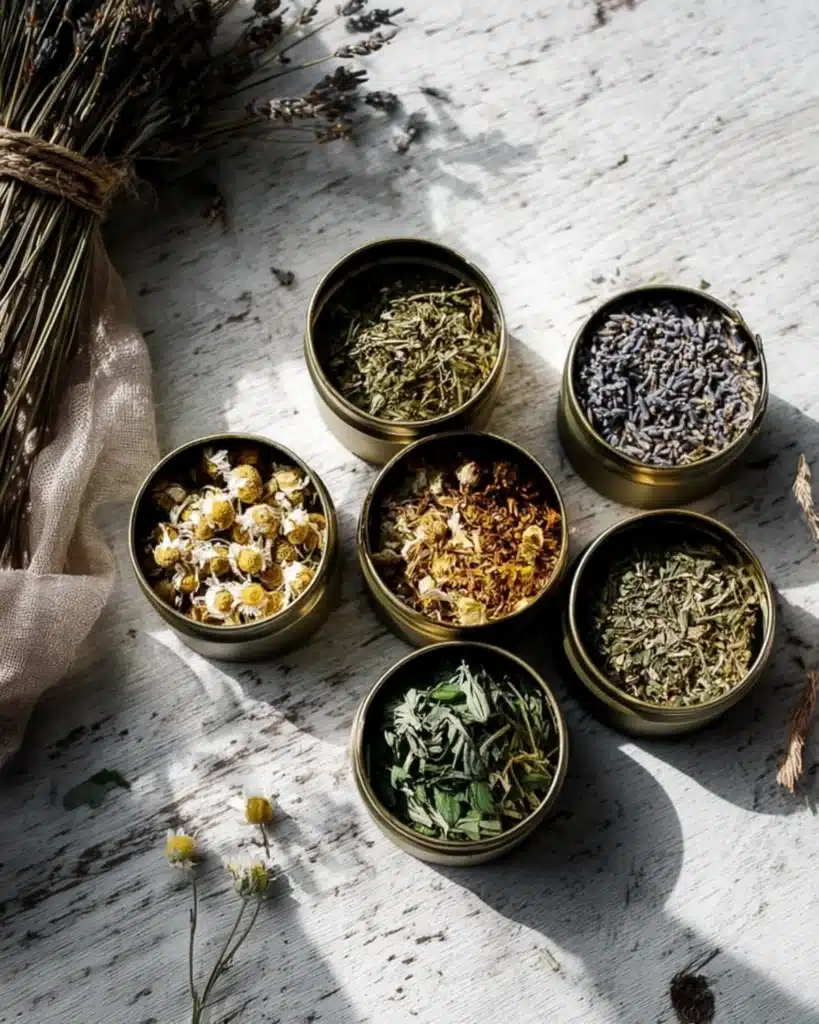
- Floral: chamomile, rose, lavender
- Spicy: cinnamon, ginger, cardamom
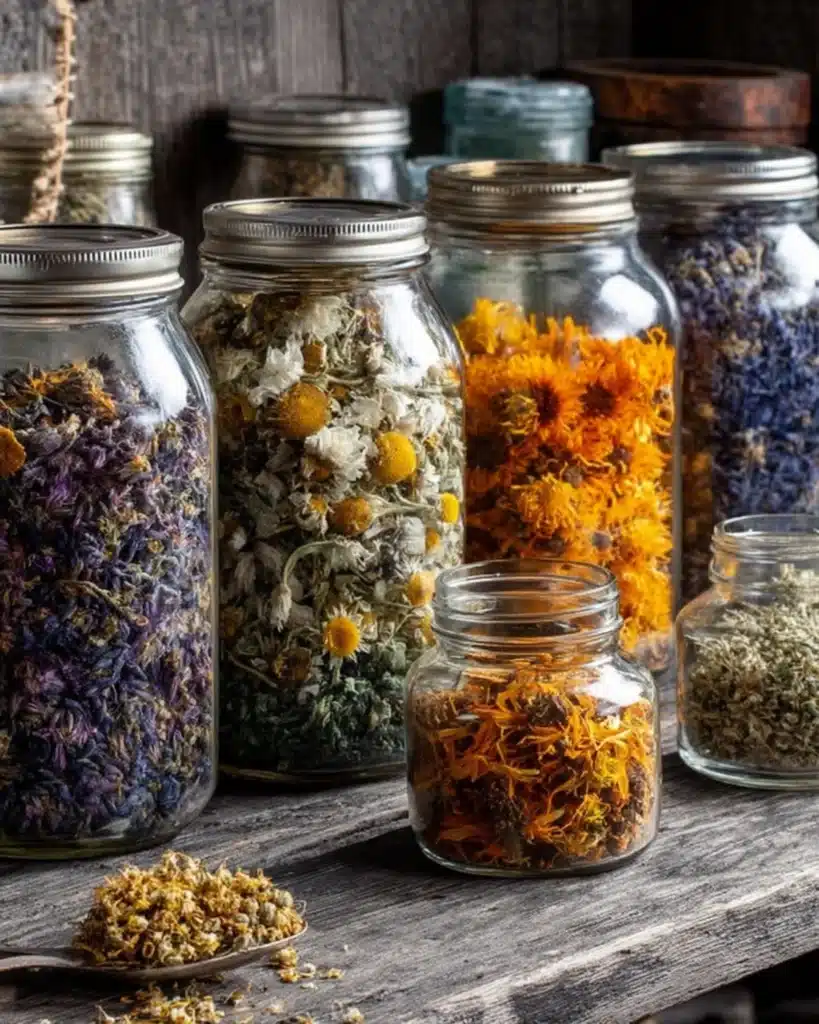
In addition, mixing flavor groups can create complex tastes. For example, a floral-spicy mix of chamomile and ginger feels both soothing and energizing.
Benefits of Herbal Tea
Because herbal tea is full of antioxidants and natural compounds, it brings many health perks. It helps digestion, boosts the immune system, and eases stress. Herbal teas can improve focus, aid sleep, and reduce swelling. Also, herbs like tulsi help your body manage stress and stay in balance. If you’re looking for weight loss teas, read Chamomile tea and weight loss guide or Green tea recipe and weight loss benefits. Regular use also supports hydration and wellness.
Herbal Tea Recipes for Every Mood
Here are some easy blends to make at home. These recipes use simple ingredients you may already have.
Relaxing Night Tea
- Chamomile
- Lemon balm
- Passionflower
Steep for 10 minutes. Drink before bed for rest and calm.
Morning Energy Tea
- Tulsi
- Ginger
- Peppermint
This blend is light yet energizing, great for your morning.
Detox Tea
- Hibiscus
- Dandelion root
- Lemon peel
Helps clean the liver and boost metabolism. Pair with Apple cider vinegar detox drink recipe for better results.
Focus Tea
- Rosemary
- Ginkgo biloba
- Green rooibos
Helps with focus and memory.
Because you can mix and match, the options are endless. Also, keep a tea journal to remember your favorites.
Herbal Tea and Weight Loss Connection
When it comes to weight loss, herbal tea is a natural helper. It hydrates the body, helps metabolism, and can control cravings. Because herbs like ginger and peppermint aid digestion, they support a healthy gut. Also, teas with hibiscus or cinnamon may balance blood sugar, making it easier to manage hunger. Drinking tea often supports long-term results. Try Pink salt drink recipe for weight loss as a companion.
Tips for Storing and Enjoying Homemade Herbal Teas
Good storage keeps your blends tasty and strong. Always use tight glass jars and label them. Store your teas away from light and heat. When serving, use hot water and cover your cup to keep the oils in. Finally, enjoy the moment, breathe in the scent, and relax. Also, sharing your tea makes it more special.
Herbal Tea and Detoxification
Cleansing the Body Naturally
Herbal tea supports the body’s natural detox process by flushing out waste and helping the liver function better. Therefore, teas with dandelion, ginger, and hibiscus are excellent for this goal. They gently remove toxins without harsh effects, making your system feel lighter and refreshed. In addition, the warm hydration helps the kidneys stay active, aiding overall detoxification.
Supporting Liver Health
The liver plays a vital role in detoxification, and herbal blends such as milk thistle and dandelion root strengthen this process. Because these herbs are rich in antioxidants, they protect liver cells and help the body process fats and waste more efficiently. Moreover, regular consumption improves circulation, which in turn boosts energy levels naturally.
Everyday Detox Tips
Drinking herbal tea daily helps keep the body balanced. Consequently, pairing it with hydration, fresh fruits, and light meals enhances detox results. In addition, having a cup of detox tea each morning can prepare your body to start the day feeling refreshed and clean.
Herbal Tea for Stress Relief
Calming the Mind and Body
Teas like chamomile, lavender, and lemon balm help the body unwind after a stressful day. They soothe the nervous system and reduce tension naturally. Furthermore, because these herbs are caffeine-free, they make the perfect evening drink for peaceful rest.
How Stress Affects Digestion
Chronic stress can upset digestion and cause bloating. However, drinking herbal tea calms both the mind and stomach, improving digestion and reducing discomfort. In addition, ginger and peppermint are especially good for reducing nausea and relaxing the digestive muscles.
Creating a Tea Ritual for Relaxation
Make tea time a mindful ritual. As you boil water and steep herbs, focus on your breath and let the aroma relax you. Therefore, drinking tea slowly helps the body shift from stress to calm awareness. Moreover, this daily ritual trains your mind to associate tea time with peace and renewal.
Herbal Tea and Immunity
Boosting the Body’s Defenses
Many herbs are rich in vitamins and antioxidants that strengthen immunity. Tulsi (holy basil), echinacea, and elderflower are top choices for natural defense. As a result, these teas help the body fight off colds and protect against seasonal illness.
Herbal Tea During Flu Season
During colder months, herbal tea offers comfort and protection. Because ginger and cinnamon teas warm the body, they improve circulation, which keeps your immune system alert. Furthermore, tulsi boosts energy and supports the respiratory system during flu season.
Everyday Immune Support
Consistency matters when it comes to health. Therefore, by making herbal tea part of your daily routine, you build long-term resilience. In addition, when combined with proper sleep and nutrition, herbal teas create a natural shield against common infections.
Herbal Tea for Digestion
Supporting Gut Health Naturally
Digestive blends made with peppermint, fennel, and ginger can reduce bloating and gas. They relax stomach muscles and help food move smoothly through the system. As a result, digestion feels easier and lighter. Furthermore, these herbs encourage good bacteria growth for better gut health.
After-Meal Herbal Tea
Instead of coffee or soda after eating, sip a cup of herbal tea. This small change supports digestion and prevents discomfort. In addition, lemon balm and spearmint make refreshing choices that soothe the stomach after rich meals.
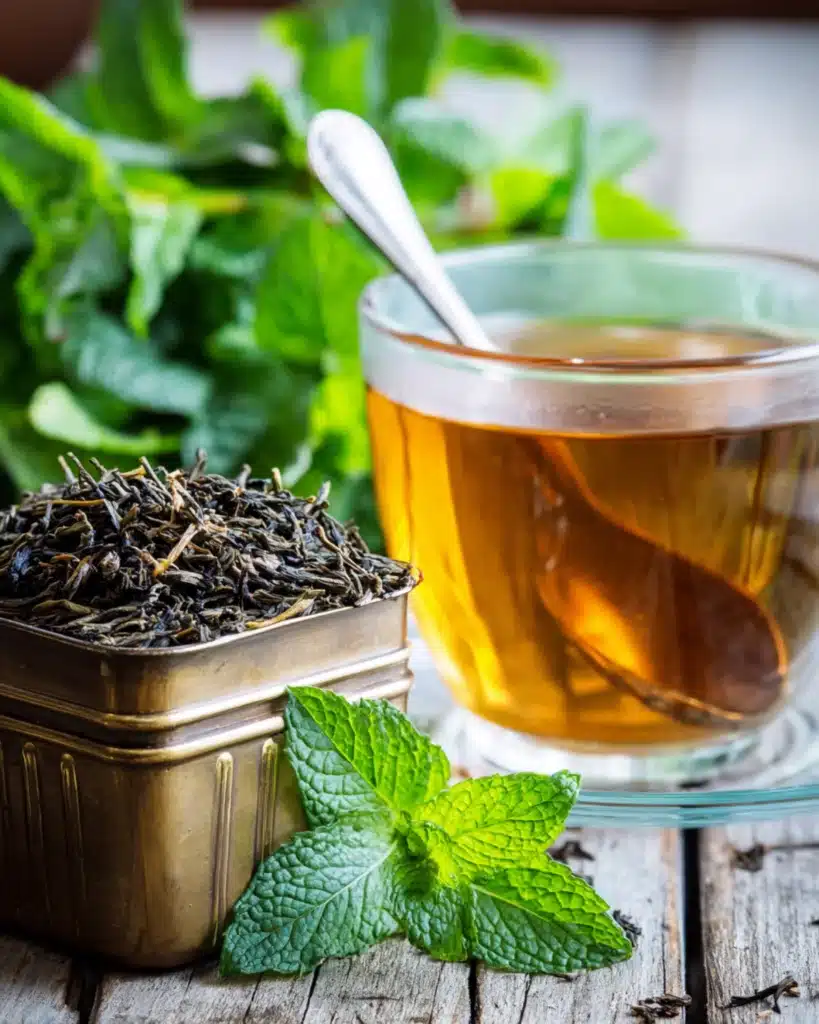
Combining Herbs for Maximum Effect
Combining warming herbs like ginger with cooling ones like peppermint creates a balanced blend. Therefore, this harmony regulates temperature in the stomach and boosts metabolism. Moreover, it adds a dynamic flavor that turns every cup into a sensory treat.
Herbal Tea and Hydration
Staying Hydrated the Healthy Way
Herbal tea is a flavorful way to stay hydrated. It counts toward your daily water intake and can replace sugary drinks. Moreover, because it’s caffeine-free, it’s gentle on the body and can be enjoyed all day long.
Herbal Iced Teas for Warm Days
Cold-brewed herbal teas are refreshing in the summer. For instance, mixing hibiscus, mint, and lemon peel makes a tangy, thirst-quenching drink. Additionally, adding cucumber slices or a touch of honey gives an extra cooling effect.
Why Hydration Matters for Weight Loss
Proper hydration boosts metabolism and helps control appetite. Therefore, herbal teas make this easy because they taste great and encourage frequent drinking. Furthermore, replacing sodas with herbal tea supports steady energy and better focus.
Herbal Remedies and Blends with Chamomile and Ginger
The Power of Two Herbs
Chamomile and ginger make a soothing and strong pair. Chamomile calms the mind while ginger helps digestion. When used together, they bring both rest and balance. For more, see Herbal remedies with chamomile and ginger.
Green Tea and Herbal Wellness
A Perfect Match
Green tea adds light caffeine and antioxidants to your tea time. Mixing green tea with herbs creates blends that help focus and energy. Learn more at Green tea recipe and weight loss benefits.
Chamomile and Sleep Support
A Calming Bedtime Mix
Chamomile is well known for better sleep. It blends nicely with lemon balm and passionflower for a calming night tea. Explore Does chamomile tea really make you sleepy for details.
FAQs About Herbal Tea Recipe
Herbal tea is caffeine-free and made from herbs, while green tea comes from the Camellia sinensis plant and has caffeine.
Most herbal teas are caffeine-free, though mixes with green or black tea may have a little.
Usually, 5 to 10 minutes works best. However, roots like ginger may need more time.
Yes, but balance is key. Mix herbal teas with healthy meals and water for best results.
Conclusion
Making herbal tea at home is rewarding and healthy. It’s easy, eco-friendly, and personal. Because every mix tells a story, brewing becomes a mindful ritual. So, embrace your creativity, trust your taste, and enjoy each sip.
Whether you’re a busy parent, a student grabbing weight loss on the go, or anyone looking for something wholesome and tasty, this recipe fits the bill. Don’t forget to leave a comment or tag us with your success! Follow Daily Tasty Recipe on Pinterest and Instagram for more inspiration.
Herbal Tea Recipe
- Total Time: 15 minutes
- Yield: 2 servings
Description
Discover the art of crafting wellness in a cup with homemade herbal tea blends. From calming chamomile to energizing ginger and peppermint, this soothing guide teaches you how to balance flavor and health benefits in every sip.
Ingredients
- Chamomile flowers – for relaxation
- Peppermint leaves – for digestion
- Ginger root – for warmth and energy
- Lemon balm – for calm and sleep
- Tulsi (holy basil) – for immune support
- Cinnamon sticks – for circulation
- Hibiscus petals – for detox
- Rose petals – for aroma and mood
- Fennel seeds – for sweetness and digestion
Instructions
- Choose 3–4 herbs based on your goal (for rest, try chamomile, lemon balm, and rose).
- Use the 50-30-20 ratio base, star, and accent herbs for balanced flavor.
- Mix herbs evenly in a clean bowl.
- Store your blend in a labeled glass jar, away from light and heat.
- To brew, use 1–2 teaspoons of herbs per cup of boiling water.
- Cover and steep for 5–10 minutes.
- Strain and sip slowly. Add honey if desired.
Notes
Experiment with flavor groups floral, spicy, minty, or citrus to create teas that match your mood. Always store your herbs in airtight jars and enjoy the calming ritual of brewing herbal tea daily.
- Prep Time: 10 minutes
- Cook Time: 5 minutes
- Category: Weight loss
- Method: Steeped
- Cuisine: Herbal
Nutrition
- Serving Size: 1 cup
- Calories: 5
- Sugar: 0g
- Sodium: 0mg
- Fat: 0g
- Saturated Fat: 0g
- Unsaturated Fat: 0g
- Trans Fat: 0g
- Carbohydrates: 1g
- Fiber: 0g
- Protein: 0g
- Cholesterol: 0mg