
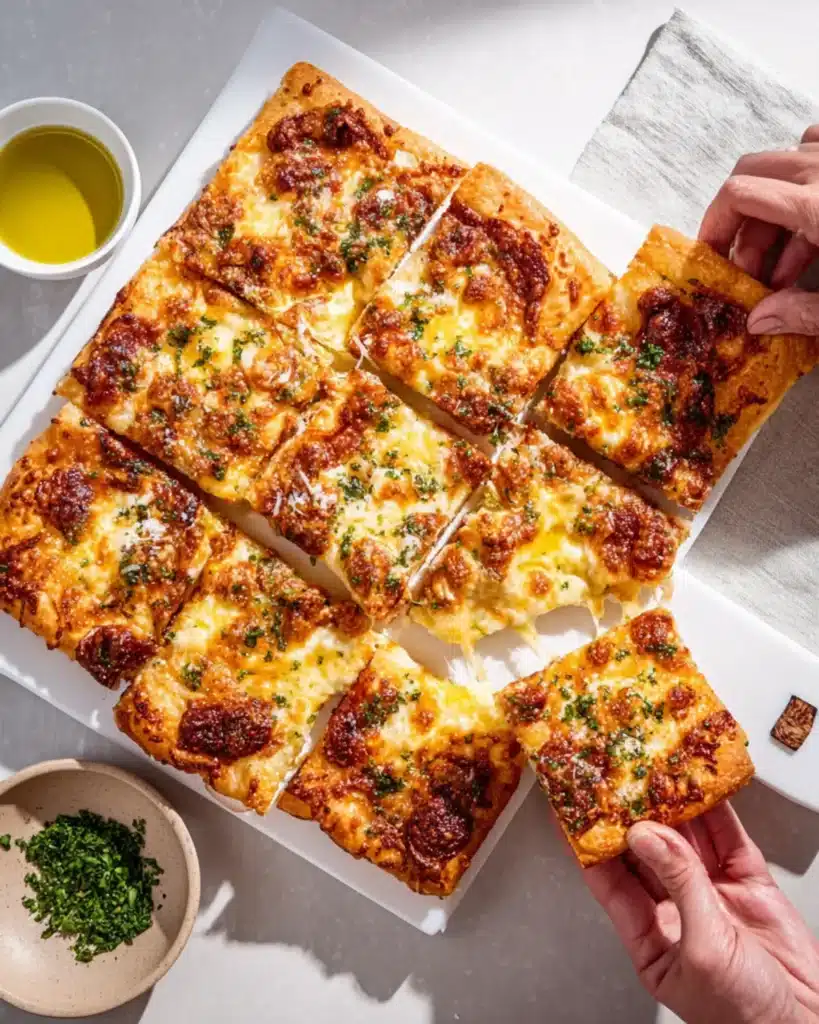
A Flaky Puff Crust Pizza Recipe Perfect for Dinner
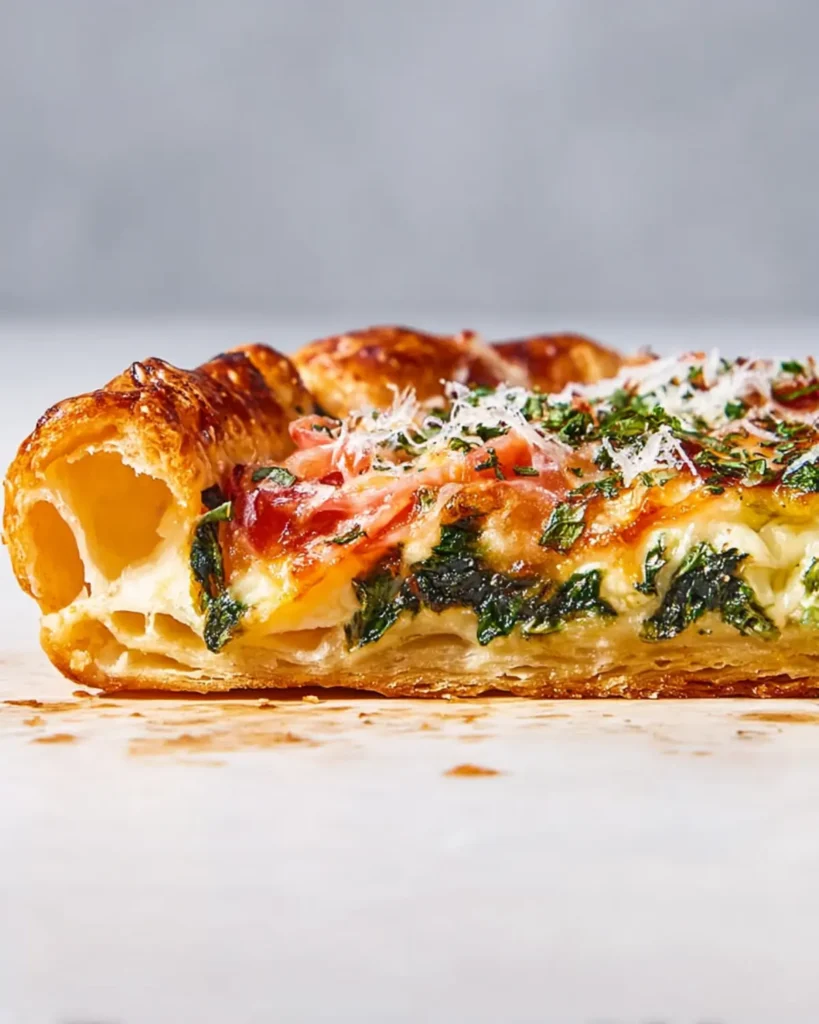
If you’ve been scrolling through social media lately, you’ve probably noticed the growing buzz around the Flaky Puff Crust Pizza. This viral recipe trend isn’t just a passing fad it’s a revolution in home pizza baking that’s turning kitchens into artisanal bakeries. Unlike traditional pizzas that rely solely on yeast fermentation, this recipe leverages science, temperature control, and lamination to achieve its unique puff and crispness. The result? A crust that’s golden on the outside, tender on the inside, and so buttery that it practically melts in your mouth, much like our flaky buttery pastry base. Whether you’re looking to impress dinner guests or simply indulge in an elevated weeknight meal, this method transforms basic ingredients into something extraordinary.
Jump To :
- Why the Flaky Puff Crust Pizza Works
- Ingredients for the Flaky Puff Crust Pizza
- Tools Needed for Making the Flaky Puff Crust Pizza
- Step-by-Step Preparation for the Perfect Flaky Puff Crust Pizza
- The Science of Flakiness: Why Temperature Rules
- The Frozen Butter Technique for Flaky Puff Crust Pizza
- The Flour Debate: ’00’ vs. All-Purpose
- The Letter Fold Explained
- The Bake: Perfecting Heat Distribution
- Topping Strategy: Flavor Meets Balance
- Seasonal Variations
- Advanced Butter Science: The Secret to Texture
- Hosting a Flaky Puff Crust Pizza Dinner Night
- Pairing Ideas for Dinner
- Nutrition and Balance
- Troubleshooting Common Mistakes
- Storage and Reheating Tips
- Mastering Confidence Through Technique
- The Joy of the Flaky Puff Crust Pizza Dinner
- FAQs About Flaky Puff Crust Pizza
- Conclusion
Why the Flaky Puff Crust Pizza Works
Traditional pizza crusts depend on yeast fermentation to create air pockets. In contrast, the Flaky Puff Crust Pizza achieves its rise through mechanical leavening. This method relies on layering butter and dough so that when baked, the butter releases steam, lifting the dough from within. Consequently, you get a delicate crunch on the outside and a soft, airy structure inside.
This contrast between textures makes it perfect for dinner because it pairs well with both hearty toppings and light salads. Furthermore, since it bakes quickly, you can prepare a show-stopping meal in under an hour without compromising flavor or quality.
Ingredients for the Flaky Puff Crust Pizza
Gather your ingredients carefully. Each plays an important role in texture and taste:
- 2 ½ cups all-purpose or ’00’ pizza flour
- 1 teaspoon salt
- 1 teaspoon sugar
- 1 packet (7g) instant yeast
- ¾ cup cold water
- ½ cup frozen grated butter
- ½ cup easy homemade pizza sauce
- 1 cup low-moisture mozzarella cheese
- ½ cup fresh mozzarella cubes
- ¼ cup grated Vegetarian Parmesan-Style Cheese cheese
- 2 tablespoons olive oil
- Optional toppings: roasted vegetables, garlic drizzle, or basil leaves
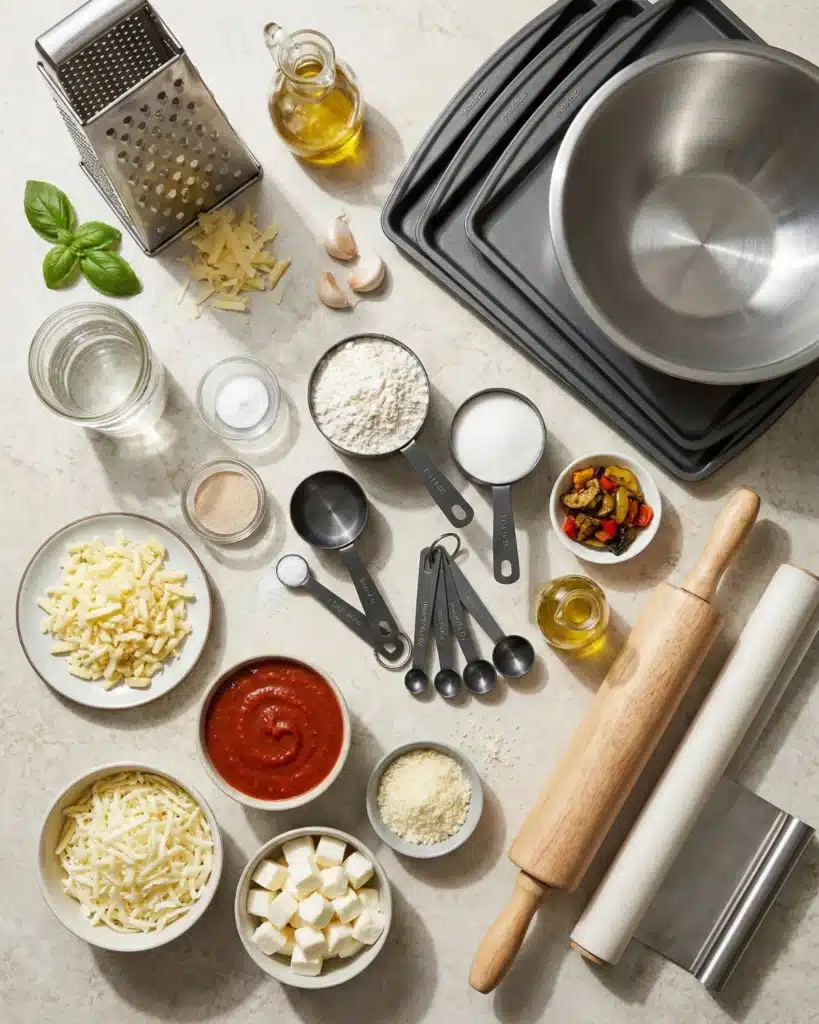
Each ingredient should be measured precisely to maintain the dough’s balance. Using cold water and butter ensures the lamination process succeeds, while a light touch in kneading prevents gluten overdevelopment. For best lamination results, explore how to use frozen butter in baking to achieve professional-quality flakes.
This post may contain affiliate links. As an Amazon Associate, Daily Tasty Recipe earns from qualifying purchases at no extra cost to you.
Tools Needed for Making the Flaky Puff Crust Pizza
You don’t need professional tools to make this pizza, but a few essentials will make the process smoother:
- A box grater (for frozen butter)
- A large chilled mixing bowl
- A rolling pin
- Measuring Cups and Spoons
- Parchment paper or a silicone mat
- A Baking Sheet or pizza tray
- A bench scraper (optional for folding)
Chill your tools before starting. As a result, a cold working environment prevents the butter from melting, which preserves lamination and guarantees that flaky, puffed finish.
Step-by-Step Preparation for the Perfect Flaky Puff Crust Pizza
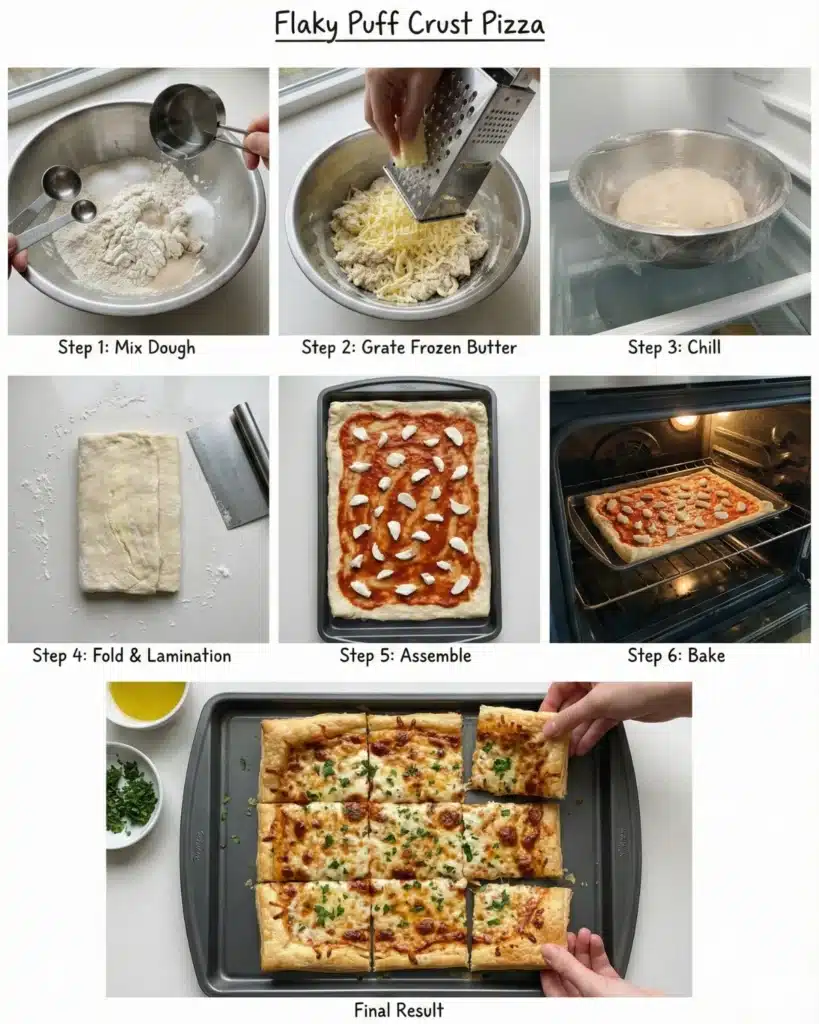
Step 1: Mix the Dough
In a large bowl, combine flour, salt, sugar, and yeast. Gradually pour in cold water while mixing with a spoon. Stir until the dough forms a shaggy texture. This stage builds hydration while minimizing gluten development. Therefore, the dough should feel cool and slightly firm but not sticky.
Step 2: Grate and Add Frozen Butter
Using a box grater, grate the frozen butter directly into the dough. Lightly toss with flour to coat each piece. Then, fold gently with your hands to distribute the butter without melting it. Visible butter pieces mean success; these will create steam layers once baked.
Step 3: Chill and Rest
Cover and refrigerate the dough for at least 30 minutes. During this rest period, gluten relaxes and butter firms back up. Consequently, the colder your dough stays, the better your flakes will form in the oven.
Step 4: Roll and Fold
Roll the dough into a long rectangle on a lightly floured surface. Fold it in thirds like a business letter, turn it 90 degrees, and repeat twice more. This simple folding process creates hundreds of layers that will puff beautifully once baked. After mastering this, try exploring easy croissant-based bakes that share this lamination magic.
Step 5: Shape and Add Toppings
After the final rest, roll out the dough to fit your pan. Spread a thin layer of easy homemade pizza sauce, sprinkle with low-moisture mozzarella, and add your favorite toppings. Less is more because too many wet toppings will collapse your flake. You can find other mozzarella-based family dinners if you love that stretchy, cheesy goodness.
Step 6: Bake
Preheat your oven to 450°F (232°C). Bake the pizza on the lowest rack for 18–22 minutes, or until the crust is deeply golden and crisp. For extra crunch, remove it from the pan for the last two minutes and place it directly on the rack. If you enjoy quick, oven-baked dinners, explore crowd-pleasing sheet pan meals for more simple, savory ideas.
Step 7: Serve and Enjoy
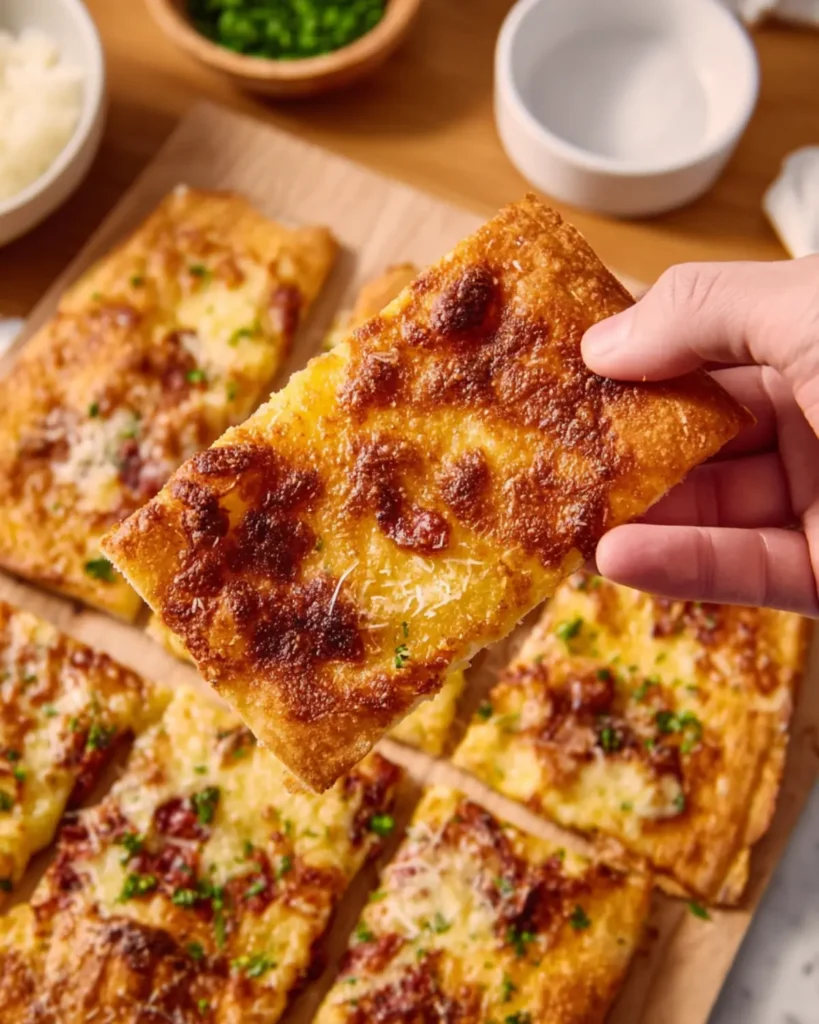
Brush with olive oil or garlic-basil drizzle right after baking. Let it cool slightly, then slice and serve. The texture should be audibly crisp, with visible golden layers that make each bite a masterpiece. For more indulgent comfort recipes, try one of our cheesy comfort food casseroles next.
The Science of Flakiness: Why Temperature Rules
The beauty of Flaky Puff Crust Pizza lies in its scientific precision. The butter must remain cold until baking, ensuring that the water content transforms into steam inside the oven. That steam is what pushes the layers apart, creating the flake. However, if the butter melts too early, the layers collapse, resulting in a dense, bread-like texture.
To control temperature effectively, work quickly and refrigerate between folds. You can even chill your rolling pin and countertop. These small steps, when combined, make all the difference between a decent crust and an extraordinary one.
The Frozen Butter Technique for Flaky Puff Crust Pizza
This method is both genius and simple. Freezing the butter solid before grating makes it easier to incorporate without softening. When baked, the butter pieces release steam at just the right moment. Therefore, if your kitchen runs warm, keep your dough in the fridge between folds. Doing so ensures consistent flakiness every time.
It’s also helpful to use a bench scraper for folding instead of your hands. Because your hands radiate heat, touching the dough too much can melt the butter and compromise texture.
The Flour Debate: ’00’ vs. All-Purpose
While professional kitchens use ’00’ flour for its fine texture, all-purpose flour works perfectly for this recipe. It’s affordable, accessible, and yields similar crisp results. The slightly higher protein content in all-purpose flour provides a stronger gluten network, supporting the layers of butter.
For dinner, this version offers a heartier chew that pairs beautifully with rich toppings like caramelized onions or roasted mushrooms. Furthermore, resting the dough longer between folds gives you the same elasticity you’d expect from premium pizza flours.
The Letter Fold Explained
Lamination might sound intimidating, but in practice, it’s simple. Each fold multiplies your butter layers exponentially, producing that iconic puff. The key is to be gentle. If the dough starts to resist rolling, cover it and rest it for 15 minutes. Consequently, allowing the gluten to relax is essential for maintaining structure without tearing the butter sheets inside.
This method not only builds height but also controls how the crust browns. More folds lead to tighter, more even flaking, a crucial detail that separates home bakers from professionals.
The Bake: Perfecting Heat Distribution
Your oven setup determines your final result. Baking on the lowest rack ensures that the bottom crisps while the top melts the cheese evenly. If using a silver pan, consider preheating it to enhance browning. Alternatively, place the pizza directly on a baking steel or upside-down sheet pan for professional-level results.
To prevent sogginess, avoid overcrowding your toppings. Balance is key; less moisture means a crispier crust. Every detail of the bake affects how those butter layers expand.
Topping Strategy: Flavor Meets Balance
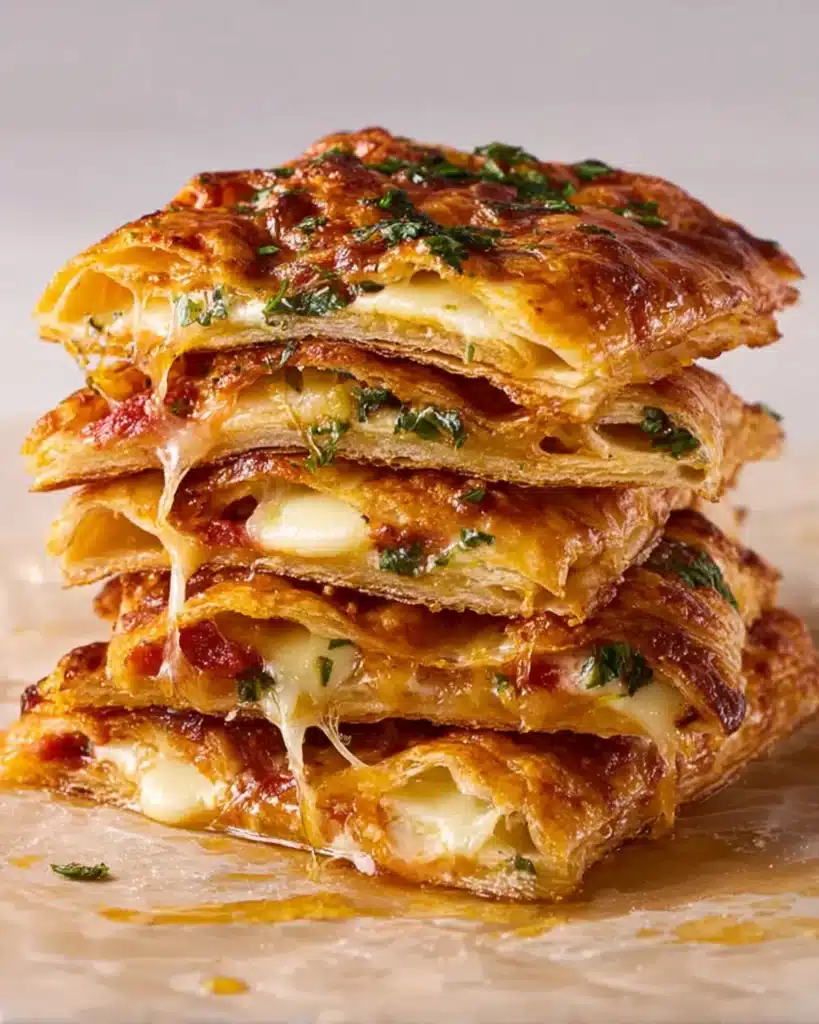
Because the Flaky Puff Crust Pizza base is buttery, toppings should complement rather than overwhelm it. Pair richness with brightness. For example, tangy tomato sauce, fresh basil, or a squeeze of lemon oil keeps the flavor dynamic.
Pre-cook vegetables to reduce water content, and use low-moisture mozzarella to avoid soggy results. Once out of the oven, finish with herbs and olive oil to enhance aroma and depth.
Seasonal Variations
Each season offers a new way to experience this pizza. In summer, try sliced zucchini, basil, and cherry tomatoes. Fall brings roasted squash and sage. Winter invites earthy mushrooms and truffle oil, while spring pairs beautifully with asparagus and goat cheese. Because the crust is neutral and versatile, it adapts seamlessly to any flavor profile.
These variations keep your dinners exciting throughout the year and ensure this pizza never feels repetitive.
Advanced Butter Science: The Secret to Texture
Butter not only adds flavor but also controls moisture and browning. European-style butter, with higher fat content, creates sharper, cleaner layers. Unsalted butter is preferred for precise salt control. For best results, mix 75% unsalted butter with 25% cultured butter to deepen flavor without overwhelming the dough.
Every detail, from how long you rest the dough to how cold your butter stays, contributes to the signature crisp texture. Consequently, understanding this science turns a simple recipe into a culinary skill.
Hosting a Flaky Puff Crust Pizza Dinner Night
A Flaky Puff Crust Pizza dinner party is fun, interactive, and memorable. Set up a topping bar with roasted vegetables, cheeses, and sauces. Encourage guests to experiment and make their own creations. Since the crust bakes quickly, you can serve fresh pizzas throughout the evening.
To elevate the experience, pair your pizza with a crisp salad or sparkling lemonade. As a result, the combination keeps the meal balanced and refreshing.
Pairing Ideas for Dinner
Because this pizza is rich, lighter sides work best. Try a mixed greens salad with vinaigrette, roasted garlic broccoli, or chilled cucumber soup. For drinks, serve iced herbal tea, citrus water, or sparkling juice. These contrasts help cleanse the palate, making each bite of pizza even more satisfying.
For dessert, consider something subtle, like our puff pastry alternatives for quick meals or a refreshing fruit sorbet to round off the meal.
Nutrition and Balance
Although buttery, Flaky Puff Crust Pizza can still fit into a balanced dinner routine. By controlling portion size and pairing it with vegetables, you create a meal that’s both comforting and mindful. Butter offers satiety, meaning you’ll feel full faster, helping control intake naturally.
Replacing some butter with olive oil or Greek yogurt lightens the crust without sacrificing flavor. Consequently, small changes make it suitable for everyday dining without guilt.
Troubleshooting Common Mistakes
Even skilled bakers can encounter issues. If your crust turns out dense, the butter likely melted too soon. Chill the dough longer next time. If it cracks, you may have rolled too aggressively. Always handle gently and rest between folds.
To avoid under-baking, make sure your oven is fully preheated. A golden, evenly browned crust signals success. Therefore, remember, patience pays off in achieving that irresistible texture.
Storage and Reheating Tips
Leftovers stay delicious for days thanks to the butter’s moisture retention. Store slices in an airtight container in the fridge for up to three days. When reheating, use an air fryer or skillet for crispness. Avoid the microwave, it softens the crust.
For long-term storage, freeze the dough after folding but before topping. Consequently, it keeps for up to a month. Let it thaw overnight before baking.
Mastering Confidence Through Technique
Learning lamination may feel challenging at first, but it’s incredibly rewarding. Each attempt teaches you how butter behaves, how dough relaxes, and how heat transforms texture. Once mastered, this technique becomes second nature.
Soon, you’ll find yourself using it in buttery croissants, turnovers, and savory tarts. As a result, this recipe builds skill beyond a single dish, empowering you as a home baker.
The Joy of the Flaky Puff Crust Pizza Dinner
The Flaky Puff Crust Pizza isn’t just a meal, it’s an experience. It combines the satisfaction of making something from scratch with the joy of sharing it with others. Its aroma fills your kitchen, its texture delights your senses, and its flavor lingers long after the last bite.
This recipe represents what dinner should be: warm, satisfying, and unforgettable.
FAQs About Flaky Puff Crust Pizza
The crust uses layers of butter and dough rather than yeast fermentation, creating a crisp, pastry-like texture.
Yes, the dough can be refrigerated for up to two days or frozen for a month. In fact, resting improves flakiness.
Your butter may have melted too early. Keep all ingredients cold and avoid over-mixing.
Yes, though texture will differ. Use a gluten-free mix with xanthan gum for structure.
Your kitchen is likely too warm. If the butter feels soft or greasy, immediately put the dough on a baking sheet and slide it into the freezer for 10-15 minutes to firm up the fat before continuing.
You don’t need to. This is a sheet-pan pizza designed to bake in a pan. However, placing your sheet pan on top of a preheated pizza stone can help conduct heat faster to the bottom crust.
Conclusion
The Flaky Puff Crust Pizza is more than just a recipe it’s a celebration of creativity, flavor, and simplicity. Its golden, buttery layers prove that a few humble ingredients can deliver truly extraordinary results. Each bite combines crisp texture, rich aroma, and melt-in-your-mouth indulgence.
Whether for a family dinner, cozy date night, or casual gathering, this pizza effortlessly blends comfort with sophistication. So, grab your ingredients, preheat your oven, and bake your own flaky masterpiece tonight. Don’t forget to share your results! Tag Daily Tasty Recipe on Pinterest and Instagram because good food is always better when shared.

Flaky Puff Crust Pizza
- Total Time: 1 hour
- Yield: 1 large pizza (4 servings) 1x
Description
This viral Flaky Puff Crust Pizza recipe transforms your dinner table into a gourmet pizzeria experience. With buttery, golden layers that puff beautifully in the oven, it delivers an irresistible balance of crispness and tenderness. Perfect for impressing guests or elevating a weeknight meal, this pizza combines science, simplicity, and indulgence in every flaky bite.
Ingredients
- 2 ½ cups all-purpose or ’00’ pizza flour
- 1 teaspoon salt
- 1 teaspoon sugar
- 1 packet (7g) instant yeast
- ¾ cup cold water
- ½ cup frozen grated butter
- ½ cup homemade pizza sauce
- 1 cup low-moisture mozzarella cheese
- ½ cup fresh mozzarella cubes
- ¼ cup grated Vegetarian Parmesan-Style Cheese cheese
- 2 tablespoons olive oil
- Optional toppings: roasted vegetables, garlic drizzle, or basil leaves
Instructions
- In a large bowl, combine flour, salt, sugar, and yeast. Gradually mix in cold water until a shaggy dough forms.
- Grate frozen butter using a box grater and toss it into the dough with flour to coat. Gently fold until distributed—do not overmix.
- Cover and refrigerate dough for 30 minutes to rest and firm up the butter.
- On a lightly floured surface, roll dough into a long rectangle, fold in thirds like a letter, turn 90°, and repeat twice. Chill again between folds if necessary.
- Roll out dough to fit your baking sheet, spread a thin layer of sauce, and top with mozzarella and your desired toppings.
- Preheat oven to 450°F (232°C). Bake on the lowest rack for 18–22 minutes until golden and crisp.
- Brush crust with olive oil or garlic drizzle immediately after baking. Slice and serve warm.
Notes
Keep all ingredients cold to ensure flakiness. Use a preheated baking sheet or stone for an extra-crisp crust. Avoid overloading with toppings less moisture means more puff. Leftovers reheat best in a skillet or air fryer for maximum crispness.
- Prep Time: 40 minutes
- Cook Time: 20 minutes
- Category: Dinner
- Method: Baked
- Cuisine: Italian
Nutrition
- Serving Size: 1 slice
- Calories: 310
- Sugar: 2g
- Sodium: 420mg
- Fat: 18g
- Saturated Fat: 10g
- Unsaturated Fat: 7g
- Trans Fat: 0g
- Carbohydrates: 26g
- Fiber: 2g
- Protein: 11g
- Cholesterol: 45mg