
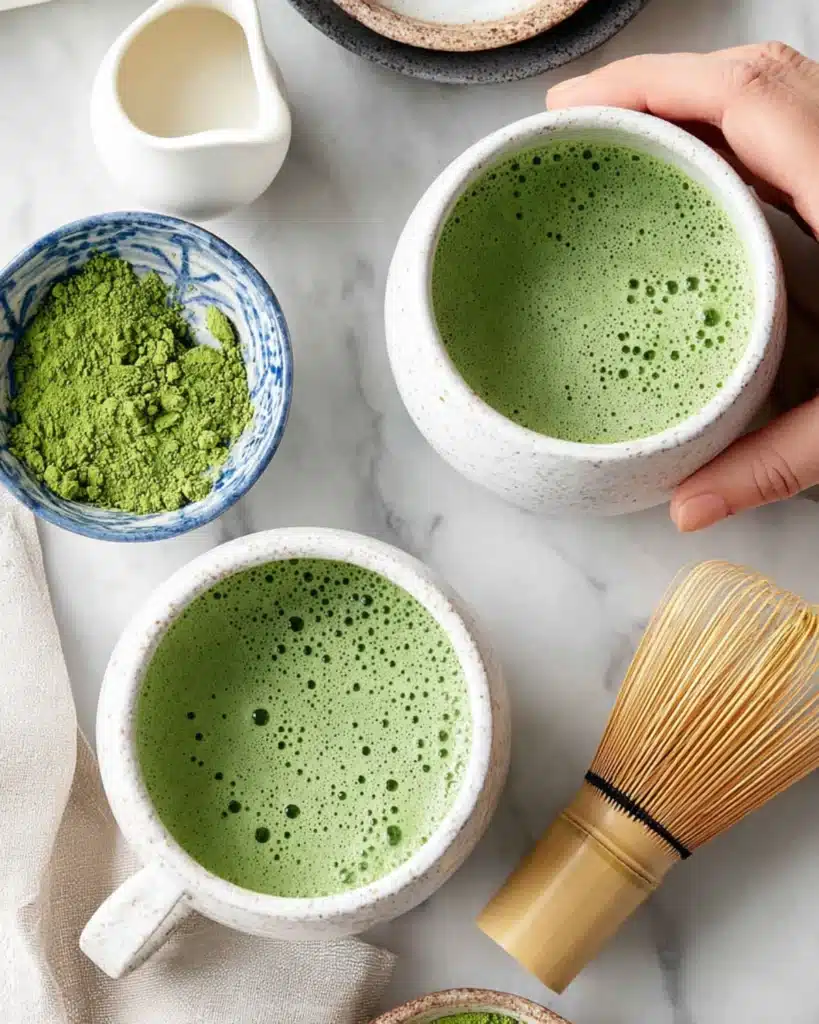
Discover the Magic of Matcha Tea
There is something truly special about starting your day with a Matcha Tea recipe that boosts both your energy and your metabolism. This vibrant green tea has become a favorite among health-conscious individuals who want to support weight loss naturally. Because of its high antioxidant content, matcha is considered one of the most nutrient-rich teas available. In this guide, we’ll explore what matcha is, how to prepare it properly, its amazing benefits, and how it helps with weight loss.
Jump To :
- What Is Matcha Tea?
- The Nutritional Power of Matcha Tea
- Matcha Tea and Weight Loss: The Science Behind It
- Antioxidant Benefits of Matcha Tea for Metabolism and Longevity
- Ingredients for the Perfect Matcha Tea Recipe
- Step-by-Step: How to Make Matcha Tea
- Matcha and Mental Clarity
- Matcha Tea for Skin Health
- Matcha in Fitness and Recovery
- Culinary Uses of Matcha
- Cultural Significance of Matcha
- Matcha Tea and Hydration Balance
- Matcha Tea and Digestive Health
- Matcha’s Role in Detoxification
- Matcha and Stress Reduction
- Matcha Tea and Heart Health
- Matcha Latte Recipe for Weight Loss
- FAQs About Matcha Tea Recipe
- Conclusion
What Is Matcha Tea?
Matcha is a fine powder made from green tea leaves that are grown and processed differently from regular tea. Before harvest, the plants are shaded to increase chlorophyll, giving the leaves their bright color. After harvest, the leaves are steamed, dried, and ground into a fine powder. Unlike steeped tea, matcha lets you drink the whole leaf, giving you more nutrients and antioxidants. Because of this, matcha provides more energy and focus than regular green tea similar to green tea for weight loss, but even more potent.
The Nutritional Power of Matcha Tea
Matcha contains vitamins, minerals, and antioxidants that protect your body from damage. It has catechins, which help with cell repair and fat burning. It also contains chlorophyll, which helps clean the body of toxins. The high level of antioxidants supports healthy skin, heart health, and the immune system. As a result, drinking matcha every day can make you feel healthier and more energetic. If you enjoy antioxidant-rich teas, you might also love Ginger Tea for Weight Management.
Matcha Tea and Weight Loss: The Science Behind It
If you are trying to lose weight, a Matcha Tea recipe for weight loss can be very helpful. Studies show that matcha increases the body’s ability to burn calories by up to 40%. Because of this, your body uses more energy, even when you rest. The combination of caffeine and L-theanine in matcha gives steady energy without sudden crashes. This helps you stay active longer. In addition, matcha helps control hunger and blood sugar levels, which can stop unhealthy snacking. To explore other healthy teas that aid fat burning, check out Herbal Teas for Healthy Living.
Antioxidant Benefits of Matcha Tea for Metabolism and Longevity
The antioxidants in matcha fight cell damage and slow the effects of aging. These powerful compounds help your body work better, making it easier to burn fat and stay healthy. Because matcha supports your liver and removes toxins, it helps your metabolism stay active. In addition, it helps improve blood flow and supports the heart. Drinking matcha every morning can give you long-lasting energy and balance throughout the day much like Chamomile Tea for Wellness helps promote relaxation and recovery.
Choosing the Best Matcha Powder
Choosing high-quality matcha is very important. Ceremonial-grade matcha is used for drinking because of its smooth taste, while culinary-grade matcha works best for cooking or baking. Always choose organic matcha with a bright green color and fine texture. This shows that it is fresh and rich in nutrients.
This post may contain affiliate links. As an Amazon Associate, Daily Tasty Recipe earns from qualifying purchases at no extra cost to you.
Tools Needed for Matcha Tea Preparation
To make a perfect Matcha Tea recipe, you will need a few simple tools. These include:
- A bamboo whisk for frothing
- A matcha bowl or wide mug
- A Fine Mesh sifter
- A teaspoon or bamboo scoop
- A Small Kettle for heating water
Because these tools help create a smooth and creamy drink, they make your matcha experience more enjoyable.
Ingredients for the Perfect Matcha Tea Recipe
- 1 teaspoon matcha powder
- 2 ounces hot water (not boiling)
- 6 ounces warm water or steamed milk
- 1 teaspoon honey or maple syrup (optional)
- A pinch of cinnamon or vanilla (optional)

Step-by-Step: How to Make Matcha Tea
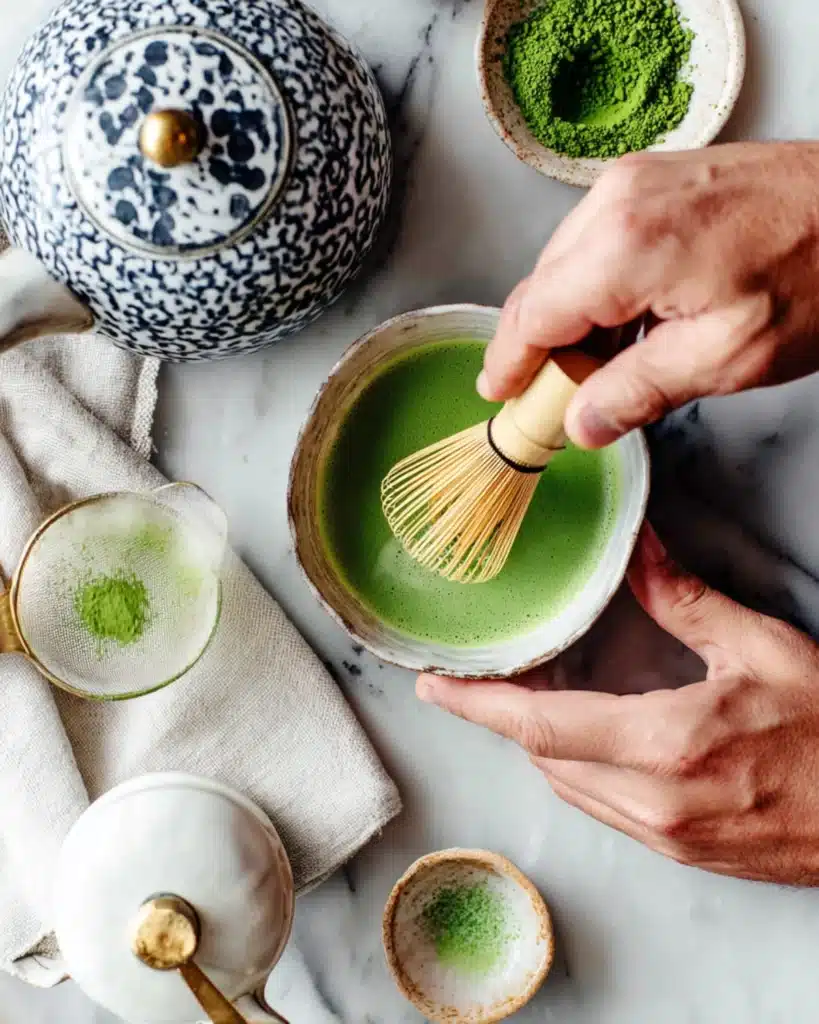
- Sift the Matcha Powder: This helps avoid lumps and makes the drink smooth.
- Heat the Water: Use water that is hot but not boiling to avoid bitterness.
- Add Matcha to the Bowl: Add one teaspoon of powder to your bowl.
- Pour Hot Water: Add about two ounces of water over the powder.
- Whisk the Matcha: Move the whisk in a quick zigzag motion until foam forms.
- Add Water or Milk: For a stronger tea, add water; for a creamier drink, add milk.
- Sweeten and Enjoy: Add honey or maple syrup to taste.

For more tea-making ideas, learn How to Make Ginger Tea another great beverage for health and weight balance.
Matcha and Mental Clarity
The Role of L-Theanine in Focus
L-Theanine, a natural amino acid found in matcha, promotes calm focus and relaxation. It helps reduce stress without causing drowsiness, allowing you to stay productive and alert. Because it balances caffeine’s stimulating effects, matcha provides sustained mental clarity without jitters or crashes.
Matcha for Study and Productivity
Students and professionals often rely on matcha for better concentration and memory. Drinking a cup before work or study can enhance attention span and reduce fatigue. In addition, the antioxidants in matcha may protect brain cells from oxidative stress, supporting long-term cognitive health.
Matcha Tea for Skin Health
Antioxidants That Nourish the Skin
The antioxidants in matcha, especially catechins and chlorophyll, fight free radicals that cause premature aging. These compounds help reduce acne, brighten skin tone, and minimize inflammation. Regular consumption can promote clearer, healthier skin from within.
Detoxifying Properties for a Natural Glow
Matcha helps detoxify the liver, flushing out toxins that may affect your complexion. Because of its high chlorophyll content, it purifies the bloodstream, which can lead to radiant, glowing skin. You can even use matcha in face masks for a refreshing skincare boost.
Matcha in Fitness and Recovery
Pre-Workout Energy Boost
Athletes and fitness enthusiasts often drink matcha before exercise for a steady energy supply. The caffeine and antioxidants improve endurance, helping you work out longer and recover faster. As a result, matcha is an ideal natural alternative to artificial energy drinks.
Post-Workout Recovery Support
After intense physical activity, matcha aids muscle recovery by reducing inflammation and oxidative stress. It helps restore glycogen levels and supports overall hydration, making it a smart addition to your post-workout routine.
Culinary Uses of Matcha
Matcha in Healthy Recipes
Beyond beverages, matcha can be added to pancakes, oatmeal, or smoothies for a nutritious boost. Its earthy flavor pairs well with fruits, nuts, and plant-based milks, making it versatile for both sweet and savory dishes.
Baking and Dessert Ideas
Matcha can also be used in baked goods such as muffins, cookies, and cakes. The vibrant green color adds a visual appeal, while the antioxidants provide added health benefits. Because it’s rich in flavor, a small amount goes a long way.
Cultural Significance of Matcha
Japanese Tea Ceremony Tradition
Matcha’s origins lie in the Japanese tea ceremony, where it symbolizes mindfulness and respect. The ritual of preparing and serving matcha encourages presence, gratitude, and inner peace a practice that aligns beautifully with modern wellness.
Modern Adaptation Worldwide
Today, matcha has gained global popularity in cafes and wellness communities. It’s loved for its balance of taste, energy, and health benefits. Whether enjoyed traditionally or as a latte, matcha continues to bring people together in appreciation of both culture and health.
Matcha Tea and Hydration Balance
How Matcha Supports Hydration
Unlike coffee, which can cause dehydration, matcha provides a gentle energy boost while keeping your body hydrated. The electrolytes found in matcha support better fluid balance, making it an excellent choice before or after exercise. Because matcha contains both caffeine and L-theanine, it enhances focus while maintaining hydration levels.
Matcha as a Midday Refreshment
When you need an afternoon pick-me-up, matcha can replace your usual coffee or sugary drink. It refreshes the body without causing a caffeine crash. In addition, drinking matcha instead of soda or juice helps reduce overall sugar intake, supporting both hydration and weight management.
Matcha Tea and Digestive Health
Gentle on the Stomach
Matcha is easy on digestion compared to other caffeinated drinks. It soothes the stomach because it contains natural antioxidants and tannins that promote a healthy gut environment. Drinking matcha after meals may aid digestion and reduce bloating.
Supporting Gut Flora
Matcha also supports beneficial gut bacteria, which help with nutrient absorption and immune health. When combined with a balanced diet rich in fiber and vegetables, it contributes to smoother digestion and improved metabolism.
Matcha’s Role in Detoxification
Cleansing from Within
The chlorophyll in matcha helps your body eliminate toxins naturally. It purifies the bloodstream and supports liver health. Because of these cleansing properties, matcha promotes glowing skin and higher energy levels.
Balancing the Body’s pH
Matcha helps balance acidity in the body by providing alkaline-forming minerals. This balance can reduce inflammation and fatigue. As a result, drinking matcha regularly keeps you feeling refreshed and energized.

Matcha and Stress Reduction
Natural Stress Relief
Matcha helps calm the mind and reduce anxiety. The combination of caffeine and L-theanine enhances mood while lowering stress hormone levels. Therefore, a cup of matcha can be an excellent way to relax during a busy day. You can also unwind in the evening with Chamomile Tea for Sleep for complete relaxation.
Promoting Mindful Living
Drinking matcha can be a form of mindfulness practice. Taking time to prepare and enjoy it encourages focus and peace. This simple ritual can reduce daily stress and create a sense of balance in your routine.
Matcha Tea and Heart Health
Supporting Healthy Cholesterol Levels
Matcha may help reduce bad cholesterol (LDL) while improving good cholesterol (HDL). This effect supports cardiovascular health and reduces the risk of heart disease. Because of its antioxidant power, matcha keeps your arteries clear and strong.
Improving Circulation
The catechins in matcha promote better blood flow and oxygen delivery. They help lower blood pressure and support strong, healthy blood vessels. As a result, regular matcha drinkers may experience better endurance and overall vitality.
Matcha Latte Recipe for Weight Loss
To make a matcha latte recipe for weight loss, use almond or oat milk instead of whole milk. Add a small amount of honey or stevia and whisk until smooth. Because it’s low in calories and high in nutrients, this latte helps you feel full longer.
Matcha supports focus and calm energy because it contains L-theanine. This amino acid helps you feel relaxed but alert. As a result, matcha is great for studying or working. It also helps reduce stress and supports better brain function. If you want a caffeine-free option for relaxation, try What Does Chamomile Tea Do.
Enhancing Your Matcha Tea Experience
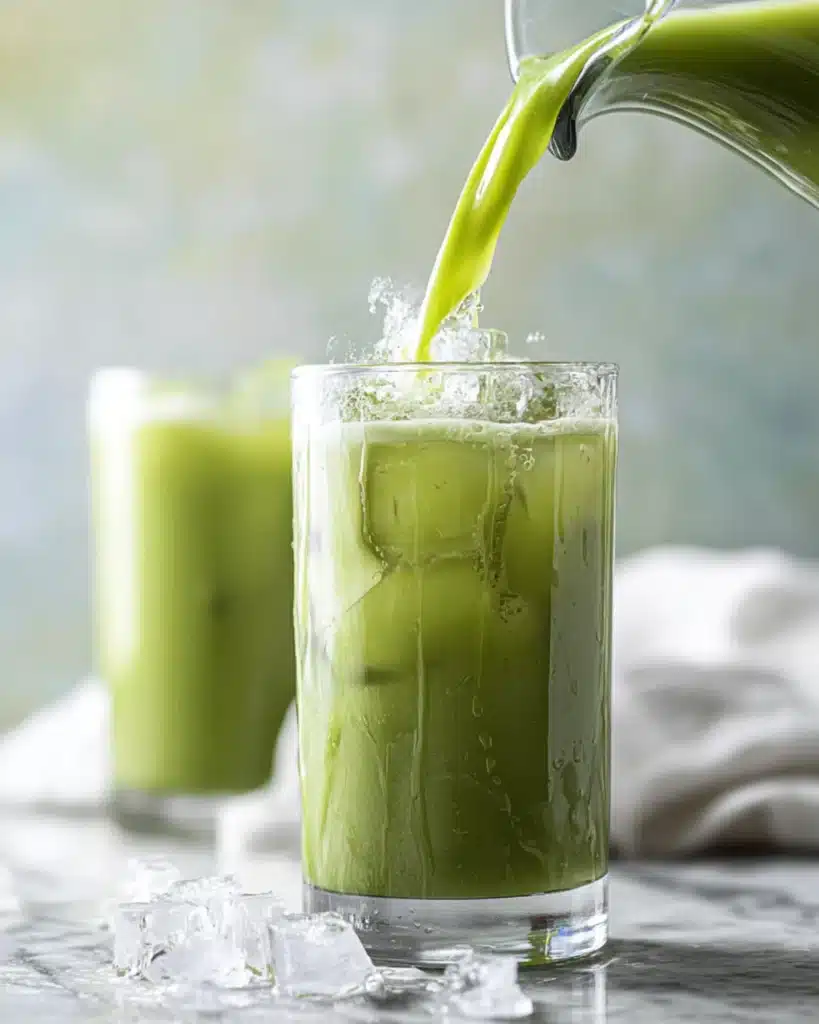
Because matcha goes well with many flavors, you can add lemon juice, almond milk, or ginger. Lemon improves antioxidant absorption, and almond milk gives a rich texture. You can also try making iced matcha for a refreshing summer drink.
FAQs About Matcha Tea Recipe
Whisk one teaspoon of matcha with hot water, skipping sugar. Drink it in the morning or before workouts for optimal results.
Yes, matcha boosts metabolism, improves fat burning, and provides sustained energy, all of which support weight loss.
Mix matcha with lemon, ginger, or almond milk. These ingredients enhance metabolism and balance flavor.
One to two cups per day are sufficient. Start small to test caffeine tolerance.
Add a splash of almond milk, a drizzle of honey, or a pinch of cinnamon to enhance its flavor.
Conclusion
A Matcha Tea recipe is more than just a soothing drink it’s a natural powerhouse for energy, focus, and weight management. Because it combines antioxidants, chlorophyll, and metabolism-boosting properties, matcha offers both immediate and long-term benefits. Drinking it daily can improve wellness, support detoxification, and promote a calm yet energized state.
Whether you’re a busy parent, a student balancing studies, or anyone looking to enhance your weight loss routine, this Matcha Tea recipe is an energizing, delicious, and health-boosting choice. Don’t forget to share your results and tag us with your matcha creations! Follow Daily Tasty Recipe on Pinterest and Instagram for more inspiration.
Matcha Tea Recipe for Weight Loss
- Total Time: 5 minutes
- Yield: 1 serving 1x
- Diet: Vegan
Description
This matcha tea recipe is a simple and powerful way to boost energy, improve focus, and support natural weight loss. Made with high-quality matcha powder, this vibrant green tea is packed with antioxidants that help speed up metabolism while providing calm, steady energy without crashes.
Ingredients
- 1 teaspoon matcha powder
- 2 ounces hot water (not boiling)
- 6 ounces warm water or steamed milk
- 1 teaspoon honey or maple syrup (optional)
- A pinch of cinnamon or vanilla (optional)
Instructions
- Sift the matcha powder into a bowl to remove lumps.
- Heat the water until hot but not boiling.
- Add the matcha powder to the bowl.
- Pour 2 ounces of hot water over the matcha.
- Whisk in a quick zigzag motion until frothy.
- Add warm water or steamed milk.
- Sweeten if desired and enjoy immediately.
Notes
Use ceremonial-grade matcha for the best flavor and results. Drink in the morning or before workouts for maximum weight loss benefits. Avoid boiling water to prevent bitterness.
- Prep Time: 5 minutes
- Cook Time: 0 minutes
- Category: Weight Loss
- Method: Whisked
- Cuisine: Japanese
Nutrition
- Serving Size: 1 cup
- Calories: 35
- Sugar: 0g
- Sodium: 5mg
- Fat: 1g
- Saturated Fat: 0g
- Unsaturated Fat: 1g
- Trans Fat: 0g
- Carbohydrates: 4g
- Fiber: 2g
- Protein: 2g
- Cholesterol: 0mg