
Understanding This Probiotic Powerhouse
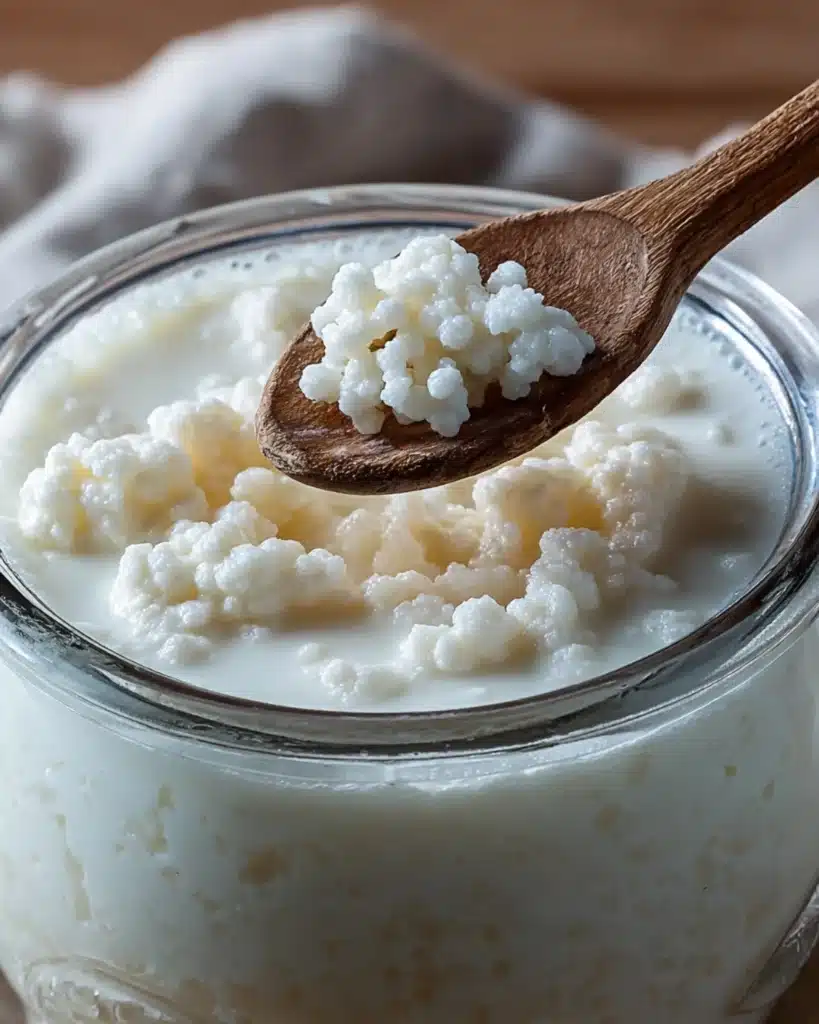
If you’ve read how to make milk kefir: our easiest milk kefir recipe and wondered what probiotic milk is, this article will guide you. probiotic milk drink is a creamy fermented drink made by mixing kefir grains, small clusters of good bacteria and yeast, with fresh milk. When the grains ferment the milk, they create acids, probiotics, and enzymes that change plain milk into a tangy, fizzy drink full of nutrients.
Unlike yogurt, which uses one type of bacteria, probiotic milk has many healthy microorganisms. This mix supports digestion and strengthens the immune system. Because it’s rich in calcium, protein, and B vitamins, kefir drink is often called a drinkable yogurt, but it offers even more probiotics and a lighter texture.
Jump To :
How Kefir Milk Is Made
To make kefir drink, combine active kefir grains with milk from a cow, goat, or sheep. The grains feed on the milk’s sugar, called lactose, and create a slightly sour taste. After 12 to 24 hours of fermenting at room temperature, the drink becomes smooth and mildly fizzy. Once strained, the kefir is ready to drink.
You can reuse kefir grains many times. As they grow, you can share them or try new versions like coconut milk kefir or almond milk kefir. To make your own, visit how to make milk kefir: our easiest milk kefir recipe.
Health Benefits of Kefir Milk
Drinking kefir milk daily helps digestion, boosts immunity, and balances gut health. It’s ideal for people with mild lactose intolerance since fermentation breaks down most of the lactose. The probiotics in kefir restore healthy gut bacteria and improve nutrient absorption.
kefir drink may also reduce inflammation, protect bones, and support glowing skin. It’s full of vitamins, minerals, and live cultures that go beyond basic nutrition.
Recent research has shown that kefir may also play a role in reducing cholesterol levels. Regular consumption of kefir can support heart health by lowering harmful LDL cholesterol while maintaining healthy HDL levels. Because it contains bioactive peptides, kefir can also help regulate blood pressure.
In addition to these benefits, kefir milk provides antioxidants that protect your body from free radical damage. These antioxidants can help slow aging and reduce the risk of chronic diseases. Drinking probiotic milk regularly supports the immune system, making it a great natural defense booster during seasonal changes.
The Science Behind Kefir Milk
The secret to kefir’s benefits lies in its fermentation process. The kefir grains contain a complex community of beneficial microorganisms, including lactic acid bacteria, acetic acid bacteria, and yeasts. These microbes work together to break down lactose and produce valuable byproducts such as lactic acid and carbon dioxide.
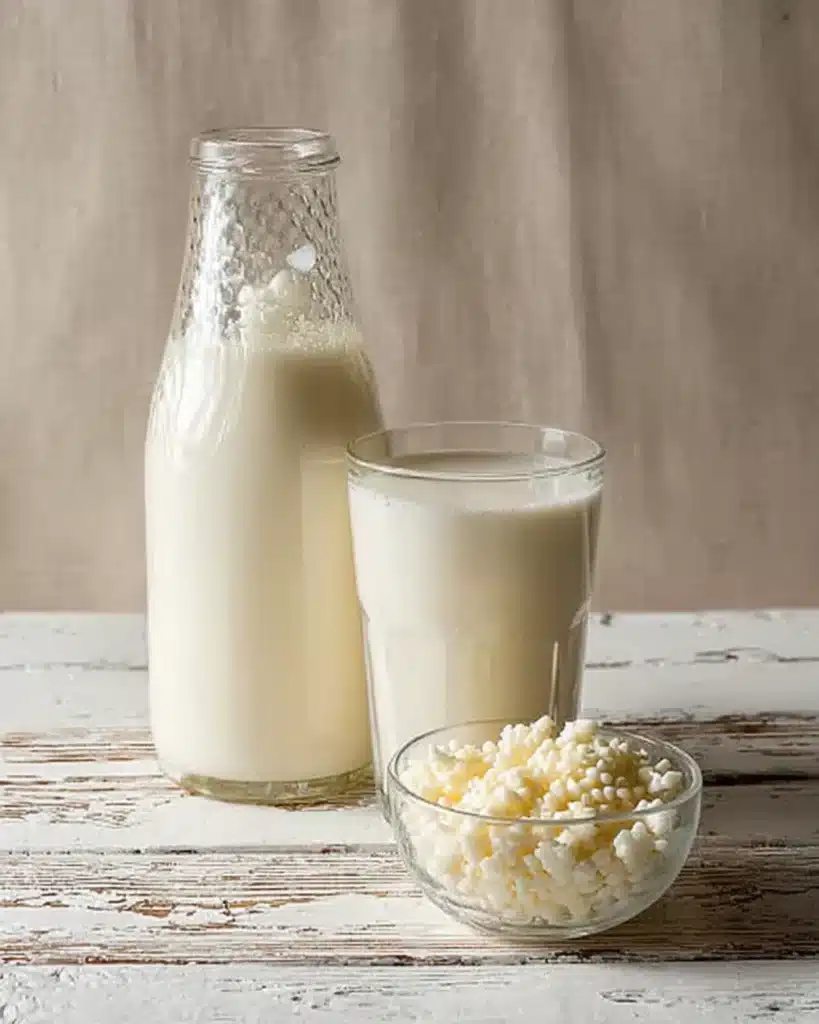
This process gives kefir its unique tangy flavor and light carbonation. It also enhances the nutritional profile of milk, making vitamins and minerals easier for your body to absorb. Because of this, kefir is often considered a “living food,” meaning it continues to offer health benefits even after production.
How to Enjoy Kefir Milk
You can drink kefir milk plain, pour it over cereal, or blend it into smoothies for breakfast. It also works as a base for salad dressings, desserts, or overnight oats. Try adding a probiotic boost to your breakfast for extra flavor and benefits.
Since probiotic milk tastes slightly tart and creamy, it pairs perfectly with fruit purees or light sweeteners like honey or maple syrup. You can also use it as a buttermilk substitute in pancakes or muffins.
If you prefer savory dishes, kefir milk can be used in soups and sauces. Add it to cold soups like cucumber or beet soup for a creamy, tangy twist. You can also mix kefir with herbs and garlic to make a refreshing dressing for grilled vegetables or salad.
Tips for Making and Storing Kefir Milk
To get the best results when making kefir milk at home, always use clean utensils and glass jars. Metal can damage the grains, so stick with wooden or plastic spoons. Keep your jar covered with a breathable cloth to allow air to flow while keeping dust out.
If your kefir turns out too sour, reduce the fermentation time. For thicker kefir, let it ferment a bit longer or use milk with higher fat content. Store your finished kefir in the refrigerator for up to a week. It may continue to thicken slightly but will remain safe and delicious.
You can rest your kefir grains when you don’t plan to make kefir for a few days. Place them in a small jar with milk, cover, and refrigerate. They will stay alive and ready for your next batch.
Cultural Significance of Kefir
Kefir has a long history that dates back to the mountains of the Caucasus region. It was considered a sacred drink and a symbol of health and longevity. Families passed down kefir grains through generations, keeping their cultures alive and strong. Today, kefir remains a staple in many Eastern European and Middle Eastern homes.
Its popularity has grown worldwide, thanks to its unique taste and proven health benefits. More people are discovering how simple it is to make and how easily it fits into modern lifestyles.
Conclusion
In short, probiotic milk is one of the easiest and healthiest fermented drinks to make. It’s fresh, flexible, and packed with nutrients your body needs. With milk and kefir grains, you can start a natural fermentation process that turns your kitchen into a small probiotic lab.
Whether you’re a parent, student, or anyone who enjoys healthy drinks, this creamy probiotic beverage deserves a place in your daily routine. Follow Daily Tasty Recipe for more ideas on cultured foods, and check how to make milk kefir: our easiest kefir drink recipe to start making your own today.
Whether you’re a busy parent, a student grabbing drinks on the go, or anyone craving something refreshing and nourishing, this recipe fits the bill. Don’t forget to leave a comment or tag us with your kefir success! Follow Daily Tasty Recipe on Pinterest and Instagram for more inspiration.